


How are we supposed to think about our exile? That is the central question that Abarbanel deals with in addressing this week’s Haftarah, from Isaiah 54:1–8.
He begins by calling attention to one of the verses that is most often, in his opinion, misunderstood. The verse says:
“For in one small moment I left you, and with infinite care I gather you back.”
—Isaiah 54:7
In that “one small moment,” the word that is used is רגע (rega), which would mean that God is saying through Isaiah here that He left us for one moment, and then with great compassion He is going to gather us back. And the intent of that typical understanding would be that even if the exile seems very long to us, it is really just one moment in comparison to the great salvation that awaits us.
Abarbanel does not like this approach, though.
And, in typical fashion, he explains the verses to sit with our current understanding of the world, rather than direct us that our current understanding of the world is incorrect. He asks: this has not been a short moment that we have been in exile. The exile has, in fact, been very, very long. So it would seem that Isaiah was speaking incorrectly by saying that it was just one short moment.
In the questions that he asks in his introduction, Abarbanel points out that Moses himself described the exile in extremely severe terms. In Deuteronomy 29:23, Moses describes the nations looking at the devastated Land of Israel and asking:
“What is the meaning of this great anger?”
מֶה חֳרִי הָאַף הַגָּדוֹל הַזֶּה
The Torah itself, then, does not describe the exile as something slight or momentary.
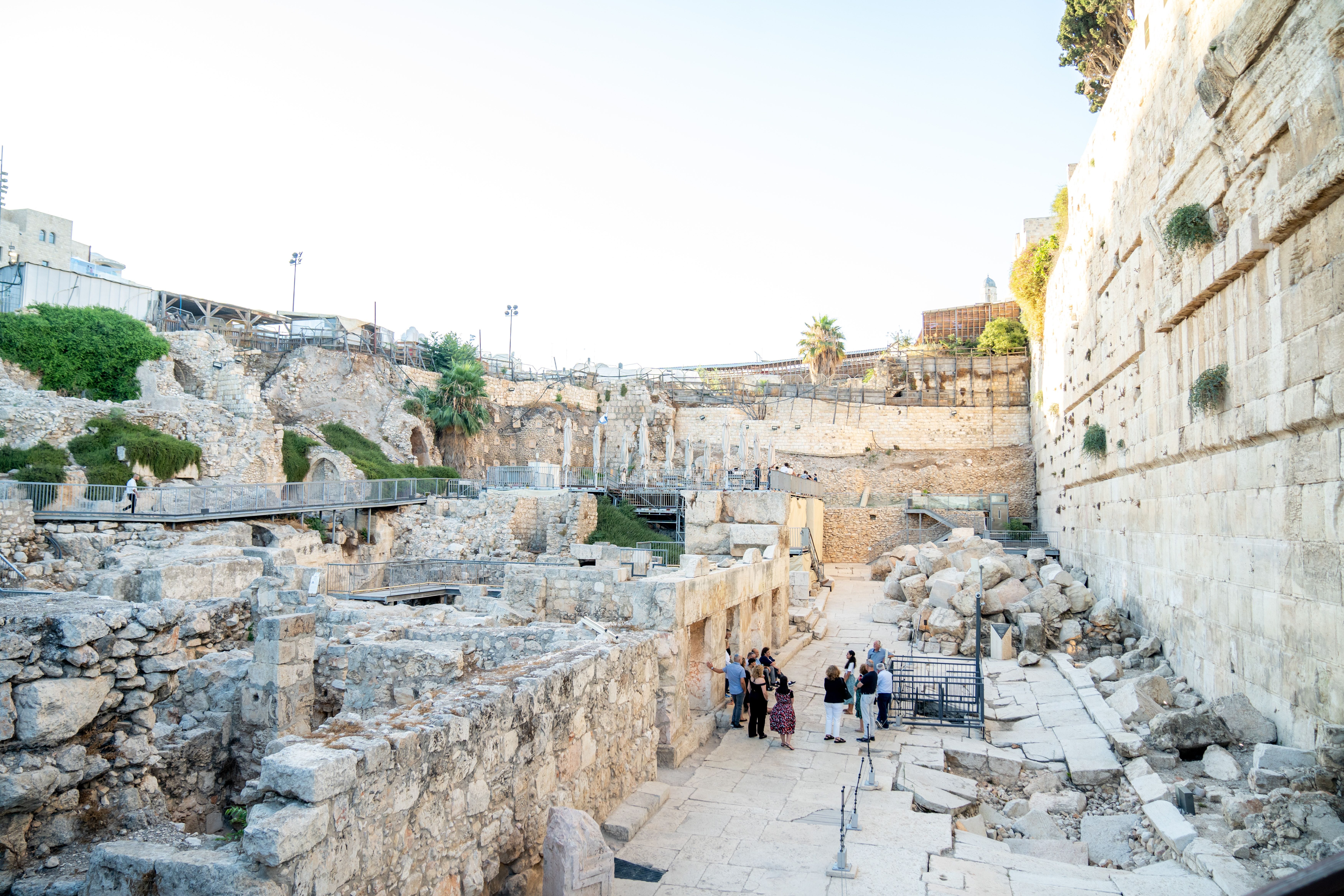
Photo by Anat Landa
Instead, Abarbanel offers a couple of interpretations. The one he likes the best, though, is that רגע (rega) comes from the idea of מרגוע (margoa), an expression of rest. Abarbanel writes that rega here is like roga, meaning rest or tranquility.
Meaning that God is going to put us into exile, and we are going to have very little rest there. But opposite that is the promise that it is with great compassion that God is going to gather us back up.
To me, this is actually a source of comfort.
I find that being told that something is actually short when our experience of it is quite long feels to undermine my sense of ability to grasp reality. And by saying, no, let’s interpret this word differently, Abarbanel is essentially saying to us: Yes, the exile is very, very, very long. And this is part of the plan. This is part of God’s plan.
The recompense, the reward for this, though, is coming. And it is coming in that the salvation that we will experience is going to be even greater.
And it is that candor that lets us know that God’s promise is always with us, has never left us, and hopefully we will be able to recognize its complete revelation.
Shabbat shalom.